
Does Knowledge Graphs Still Matter?
Disappointment
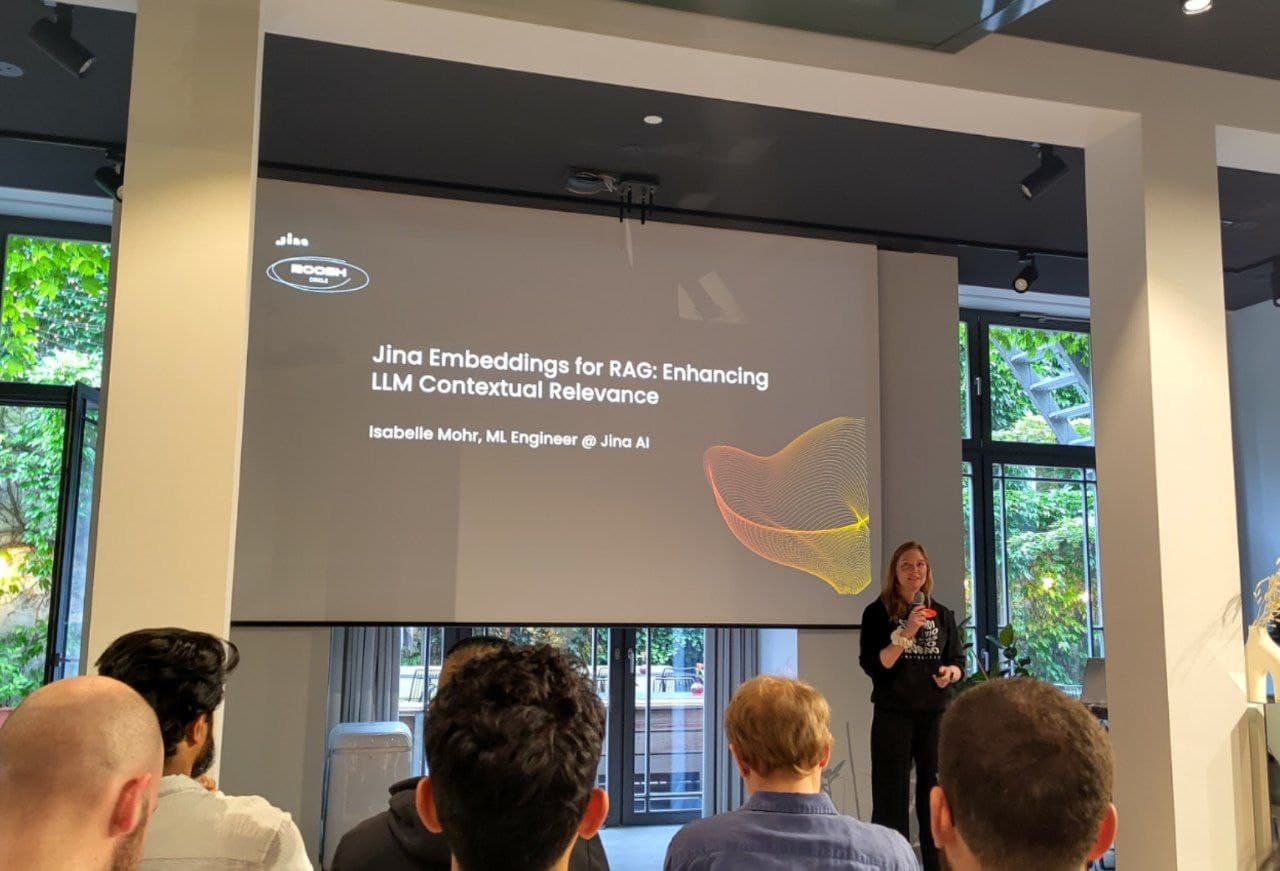
A few weeks ago, I was in a fireside chat with Bob van Luijt, CEO & co-founder of Weaviate, where someone asked him about Knowledge Graphs. He ended his answer by saying, “I think that knowledge graphs are gonna cease to exist.”
(You can watch it here)
Background
I first got to know about Knowledge Graphs (KGs) during my master’s thesis when I was working on information retrieval and question answering.
Back then, there were no good answer generator models, and our hope was to use semantic relationships to generate proper answers based on retrieved information.
It was fascinating to me how cool it is to model, and even visualize, knowledge in a graph. There are plenty of ways to look at KGs and use them differently, but what they all have in common is modeling ontology using relationships that are easy to understand and interpret.
Progress
Then, with better embedding models and large language models coming into the picture, we now have all (or most) human knowledge in multidimensional spaces.
To me, it’s kind of a similar concept: modeling knowledge. However, in this new way, the vectors are not tangible, and even looking into the details of transformers doesn’t reveal everything. We still have a way to go, on one hand, to improve adaptability, and on the other, to improve explainability and reliability.
Today
So far, KGs are one of the best ways to transparently model human knowledge in an open-box, tangible way.
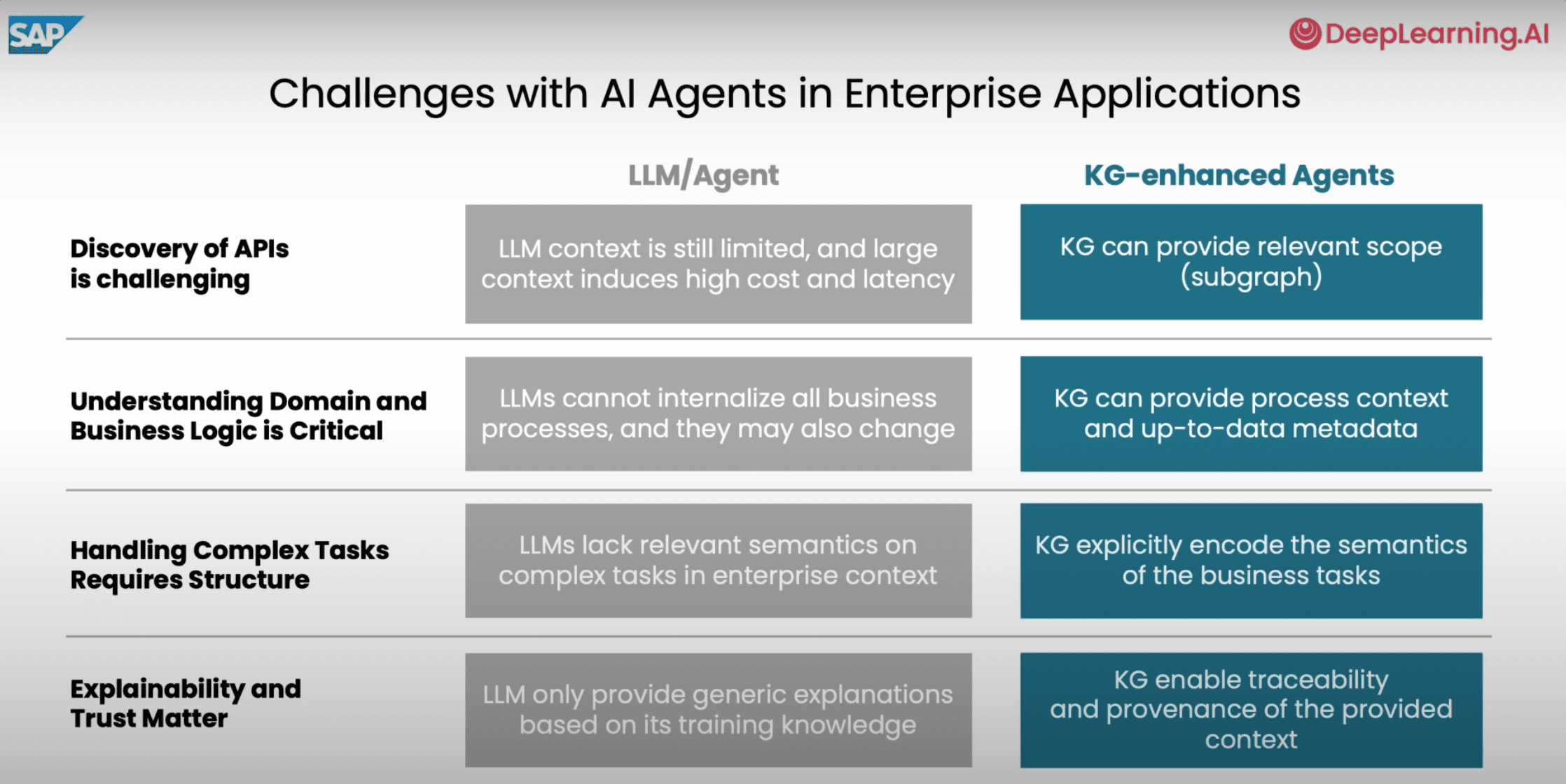
So when we talk about adaptability, reliability, and explainability, KGs are like the graphed version of RAGs (Retrieval Augmented Generation). When we combine KGs with LLMs or agents, we can get the best of both, to create more reliable agents.
Learning more about how to do that (and other relevant materials) can be found here.
Future
Our (I mean humanity’s) limited knowledge is one thing, but how we model it is another. We might continue using KGs, or we might replace them with newer technologies and, in a few years, never hear about them again.
But I hope that only happens if the newer tech is explainable, trustworthy, and reliable enough.